Hospitality FFE Furniture
Hospitality FFE Furniture
Hospitality FFE Furniture: Elevate Guest Experiences & Boost Brand Identity in 2026
In the hospitality industry, every detail matters—and few elements shape a guest’s experience quite like FFE furniture. FFE (Furniture, Fixtures, and Equipment) is the backbone of hotels, resorts, restaurants, and boutique stays, blending functionality, aesthetics, and brand personality to create spaces that feel welcoming, memorable, and aligned with your venue’s vision. In 2026, as travelers seek more authentic, comfortable, and personalized experiences, investing in the right hospitality FFE furniture isn’t just a choice—it’s a strategic move to stand out in a competitive market.
This blog dives into everything hospitality professionals need to know about FFE furniture: why it’s critical to guest satisfaction, the top 2026 trends shaping hospitality design, how to choose FFE that balances durability and style, and tips to align your furniture with your brand. Plus, we’ll highlight key considerations for different hospitality spaces—from hotel lobbies to guest rooms and restaurant dining areas—to help you make informed decisions that drive loyalty and revenue.
Why Hospitality FFE Furniture Matters More Than You Think
For hospitality businesses, FFE furniture is more than just “decor”—it’s a tool to deliver on your brand promise and create emotional connections with guests. Here’s why it’s a non-negotiable investment:
1. First Impressions Are Everything
A guest’s first interaction with your venue—whether it’s a hotel lobby, restaurant entrance, or resort reception—starts with the space itself. High-quality, thoughtfully designed FFE furniture immediately signals professionalism, luxury, or comfort (depending on your brand) and sets the tone for the entire stay. A shabby sofa, wobbly dining chair, or mismatched fixtures can leave a negative impression that’s hard to overcome—even if your service is exceptional.
2. Guest Comfort Drives Loyalty
Travelers don’t just want a place to stay or eat—they want a space to relax, unwind, and feel at home. Hospitality FFE furniture that prioritizes comfort—think plush lobby sofas, supportive guest room beds, and ergonomic restaurant chairs—keeps guests happy and encourages repeat visits. In fact, studies show that 78% of travelers say comfortable furniture in guest rooms influences their decision to book a hotel again.
3. Durability Saves Time and Money
Hospitality spaces see high traffic—guests come and go, furniture is used daily, and wear and tear is inevitable. Investing in durable FFE furniture (made with high-quality materials like commercial-grade fabrics, solid wood, and reinforced frames) reduces replacement costs and maintenance headaches. Unlike residential furniture, hospitality FFE is designed to withstand heavy use—making it a long-term investment that pays off.
4. Brand Identity Shines Through Design
Your FFE furniture is a silent brand ambassador. A boutique hotel with bohemian-inspired chairs and handcrafted tables tells a different story than a luxury resort with sleek, modern FFE and marble accents. By aligning your furniture with your brand’s personality—whether it’s cozy, minimalist, luxurious, or eco-friendly—you create a cohesive experience that guests remember and share.
2026 Hospitality FFE Furniture Trends: What’s Shaping the Industry
The hospitality industry is constantly evolving, and FFE furniture trends in 2026 reflect a shift toward authenticity, sustainability, and guest-centric design. Here are the top trends to watch for:
1. Sustainable and Eco-Friendly FFE
Eco-conscious travel is on the rise, and guests are increasingly choosing venues that prioritize sustainability. 2026’s top FFE trend is eco-friendly furniture made from recycled materials (like reclaimed wood, recycled metal, and organic fabrics), non-toxic finishes, and renewable resources. Many hospitality brands are also opting for FFE from manufacturers with green certifications—appealing to eco-minded travelers and reducing their carbon footprint.
2. Multifunctional and Flexible Design
Hospitality spaces need to work hard—especially as venues adapt to changing guest needs (e.g., remote work, group gatherings). Multifunctional FFE furniture is a top trend: think lobby tables that double as workstations, modular sofas that can be rearranged for events, and guest room desks with built-in charging ports. Flexible FFE maximizes space, improves functionality, and ensures your venue can adapt to different guest demands.
3. Warm, Natural Materials
After years of minimalist, cold designs, 2026 is seeing a return to warm, natural materials in hospitality FFE. Wood (especially reclaimed and light-toned varieties), natural stone, and organic fabrics (like linen and cotton) are dominating lobbies, guest rooms, and restaurants. These materials create a cozy, inviting atmosphere that makes guests feel at home—perfect for both luxury and boutique venues.
4. Bold Accents and Statement Pieces
While neutral tones remain a staple in hospitality design, 2026 is adding bold, eye-catching statement pieces to FFE collections. Think vibrant accent chairs in hotel lobbies, geometric-patterned rugs in restaurants, or unique light fixtures paired with sleek tables. These statement pieces add personality, create focal points, and make your venue stand out from the competition—without overwhelming the space.
5. Tech-Integrated FFE Furniture
Guests expect modern amenities, and tech-integrated FFE is becoming a must-have. This includes guest room beds with adjustable frames, lobby sofas with built-in wireless charging, and restaurant tables with integrated touchscreens for ordering. Tech-integrated FFE enhances convenience, improves the guest experience, and positions your venue as forward-thinking.
How to Choose the Right Hospitality FFE Furniture for Your Venue
Choosing FFE furniture for your hospitality space requires balancing style, durability, functionality, and brand alignment. Follow these steps to make the right choice:
1. Define Your Brand and Guest Persona
Start by clarifying your brand’s personality and target guest. Are you a luxury resort catering to high-end travelers? A boutique hotel for millennials seeking unique experiences? A family-friendly hotel focused on comfort? Your FFE furniture should reflect this—e.g., luxury venues might opt for marble tables and velvet sofas, while family-friendly spots might choose stain-resistant fabrics and durable, easy-to-clean chairs.
2. Prioritize Durability and Maintenance
Hospitality FFE furniture must withstand heavy use, so prioritize commercial-grade materials. Look for fabrics with high rub counts (at least 30,000 for high-traffic areas), solid wood or metal frames, and finishes that resist scratches, stains, and fading. Also, consider maintenance—choose furniture that’s easy to clean and repair to reduce downtime and costs.
3. Focus on Guest Comfort
Comfort should never be sacrificed for style. Test furniture before purchasing—sit on sofas and chairs, lie on beds, and ensure that seating is supportive for long periods. For guest rooms, invest in high-quality mattresses and pillows, and choose furniture that doesn’t crowd the space (e.g., compact desks and nightstands for small rooms).
4. Consider Functionality and Space
Evaluate how your space is used and choose FFE that enhances functionality. For example, a hotel lobby might need comfortable seating for waiting guests, a reception desk with storage, and side tables for drinks. A restaurant might require flexible dining tables (expandable for groups) and ergonomic chairs for long meals. Avoid overcrowding—leave enough space for guests to move around comfortably.
5. Work with a Reputable FFE Supplier
Choosing the right supplier is key to getting high-quality, on-brand FFE furniture. Look for suppliers with experience in hospitality (not just residential) furniture, a portfolio of work with similar venues, and a track record of delivering on time and within budget. A good supplier will also offer customization options to ensure your FFE aligns with your brand.
Key FFE Furniture Considerations for Different Hospitality Spaces
Not all hospitality spaces are the same—here’s what to prioritize for each area:
Hotel Lobbies
Lobbies need FFE that’s welcoming, comfortable, and functional. Focus on large sofas, armchairs, coffee tables, and a reception desk that makes a statement. Add accent pieces (like plants, art, or unique light fixtures) to enhance the space, and ensure there’s enough seating for guests to wait or work.
Guest Rooms
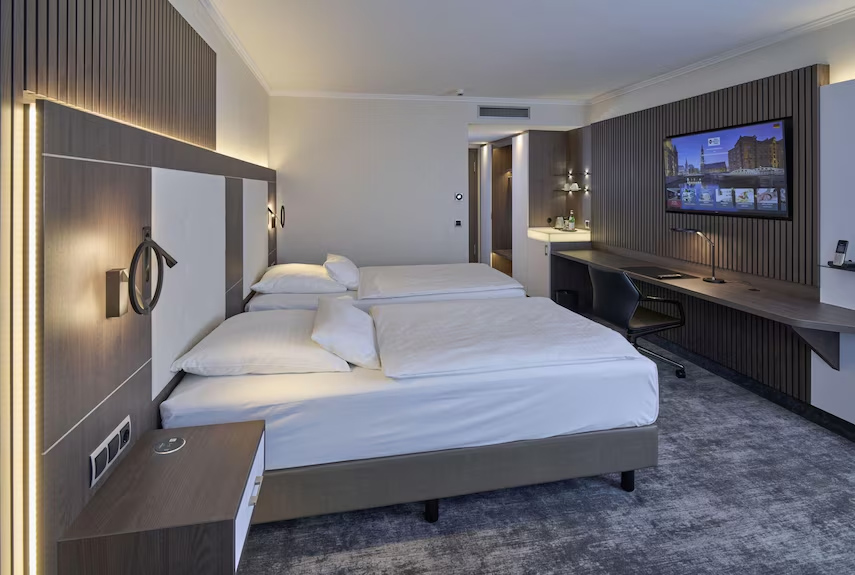
Guest rooms are the heart of a hotel—prioritize comfort and functionality. Invest in a high-quality bed, nightstands with storage, a desk (for remote work), and seating (like a chair or small sofa). Choose neutral tones for versatility, and add subtle brand accents (e.g., custom pillows or artwork) to make the space feel personalized.
Restaurants & Bars
Restaurant FFE should balance comfort, style, and efficiency. Choose dining tables and chairs that are durable, easy to clean, and comfortable for long meals. For bars, opt for sleek bar stools, a sturdy bar counter, and storage for glassware and supplies. Align the design with your restaurant’s cuisine—e.g., a casual café might use wooden tables and metal chairs, while a fine-dining spot might choose marble and upholstered seating.
Resort Amenities (Pools, Spas, Lounges)
FFE for resort amenities needs to be weather-resistant (for outdoor spaces) and comfortable. Choose outdoor sofas, lounge chairs, and tables made from weatherproof materials (like teak or aluminum) for pools and patios. For spas, opt for soft, cozy seating and calming tones to create a relaxing atmosphere.
No previous NEXT:Residential Custom Furniture
RELATED NEWS
CATEGORIES
LATEST NEWS
CONTACT US
Contact: Sales Team
Phone: +86-18750258798
E-mail: sankedesign@163.com
Whatsapp:+86-18750258798
Add: Furniture Manufacturing Park Longgang District Shenzhen City Guangdong Province China
