Apartment and Rental Housing Project
Apartment and Rental Housing Project
2026 Apartment & Rental Housing: Trends, Tips, and Finding Your Perfect Rental Home
Renting an apartment isn’t just about finding a place to sleep—it’s about choosing a lifestyle that fits your goals, budget, and sense of comfort. In 2026, the rental housing market is undergoing a significant shift, with new trends, more tenant-friendly policies, and a greater focus on community and convenience. Whether you’re a first-time renter navigating the process for the first time, a seasoned renter looking to upgrade, or a stakeholder in an apartment rental project, understanding these changes and what makes a rental community stand out is key to success.
Gone are the days of “landlord dynamics and unpredictable rent hikes. Today’s rental market is evolving to prioritize fairness, flexibility, and quality—making it an exciting time to explore apartment living. Let’s dive into the latest trends shaping rental housing in 2026, essential tips for finding your ideal apartment, and what makes a modern apartment rental project thrive in today’s competitive landscape.
2026 Rental Housing Trends: What’s Changing for Renters and Communities?
The rental market in 2026 is defined by four key shifts that are making apartment living more accessible, secure, and enjoyable for everyone involved. These trends aren’t just fleeting fads—they’re reshaping how we think about rental housing for the long term.
1. Stable Rents and More Affordable Options
After years of unpredictable rent increases, 2026 has brought a welcome change: rent prices are stabilizing, with many cities seeing slight decreases. This shift is driven by the大规模 rollout of保障性租赁住房 (affordable rental housing) across the country, which has helped “cool down” market prices. In cities like Shenzhen, Xi’an, and Zhuhai, these affordable units are priced 30-50% below market rates, with strict limits on annual rent hikes (no more than 5% per year) to protect tenants from sudden financial strain.
For apartment rental projects, this means focusing on value over excessive pricing. Renters today are price-conscious but willing to pay for quality—so balancing affordability with modern amenities is the key to attracting and retaining tenants.
2. The Rise of “Professional” Rental Communities
Gone are the days of relying on individual landlords or unregulated second-hand rentals. In 2026, state-owned enterprises (SOEs) and professional property management companies have become the (main force) in the rental market, offering standardized, well-maintained units with clear lease agreements and reliable customer service. These professional communities often feature renovated units in prime locations, flexible lease terms, and no hidden fees—addressing common pain points like unfair (deposit withholding) and unresponsive maintenance.
For rental housing projects, partnering with professional management teams and adhering to standardized practices isn’t just a trend—it’s a necessity. Tenants now prioritize trust and transparency, and professional management helps build that credibility.
3. Tenant-Centric Policies and Increased Rights
2026 has seen a significant shift in favor of tenants, thanks to the implementation of the 《住房租赁条例》 (Housing Rental Regulations). These regulations prohibit landlords from unilaterally terminating leases, arbitrarily raising rents, or wrongfully withholding deposits. Additionally, many cities have adjusted中介费 rules, requiring landlords and tenants to split the cost—reducing the financial burden on renters who previously had to pay a full month’s rent as a fee.
For apartment rental projects, embracing these tenant-centric policies isn’t just compliance—it’s a way to stand out. Tenants are more likely to choose communities that respect their rights and offer fair, transparent terms.
4. Lifestyle-Focused Amenities and Community
Modern renters—especially young professionals and families—aren’t just looking for a unit; they’re looking for a community. Today’s top apartment rental projects are prioritizing amenities that enhance daily life: fitness centers, communal workspaces, pet-friendly areas, rooftop terraces, and even on-site laundry facilities. Beyond physical amenities, communities are also fostering connection through local partnerships—such as highlighting nearby coffee shops, parks, and restaurants—to help tenants feel “at home” in their neighborhood.
This focus on lifestyle aligns with a key insight: renters are choosing a neighborhood as much as they’re choosing an apartment. The best rental projects bridge the gap between the unit and the community, creating a holistic living experience.
Essential Tips for Finding Your Perfect Apartment in 2026
With the market shifting in favor of renters, now is a great time to find an apartment that fits your needs—but it still requires careful planning. Whether you’re a first-time renter or moving to a new city, these tips will help you navigate the process with confidence.
1. Set a Realistic Budget (and Stick to It)
Experts recommend spending no more than 30% of your gross monthly income on rent—but don’t stop there. Factor in additional costs like utilities, Wi-Fi, parking fees, and renter’s insurance to avoid unexpected financial strain. With rent prices stabilizing in 2026, you can afford to be selective—don’t stretch your budget for a unit that doesn’t offer enough value in return.
2. Prioritize Your “Must-Haves” (and Know Your Deal-Breakers)
Before you start searching, make a list of non-negotiables: Do you need a pet-friendly unit? In-unit laundry? Proximity to public transit or your workplace? Separate these “must-haves” from “nice-to-haves” (like a balcony or updated kitchen) to narrow your search and avoid wasting time on units that don’t meet your needs. For example, if you work from home, a dedicated workspace or fast Wi-Fi might be non-negotiable; if you have a pet, a community with a dog park or pet-friendly policies is essential.
3. Choose a Reputable Community (Avoid the “Rental Traps”)
With the rise of professional rental communities, it’s easier than ever to avoid scams or unfair landlords. Prioritize units managed by SOEs or established property management companies—these communities often have standardized leases, transparent pricing, and responsive maintenance teams. Be sure to read reviews from current or past tenants, and ask about lease terms, maintenance response times, and rent increase policies before signing.
4. Start Your Search Early (and Use Multiple Platforms)
Apartment hunting can take longer than expected, especially in competitive neighborhoods. Start your search 30-60 days before your desired move-in date to give yourself time to compare units, negotiate terms, and find the perfect fit. Use a mix of rental platforms, local Facebook groups, and property management websites to expand your search—some landlords only post on local platforms, so casting a wide net will help you find hidden gems.
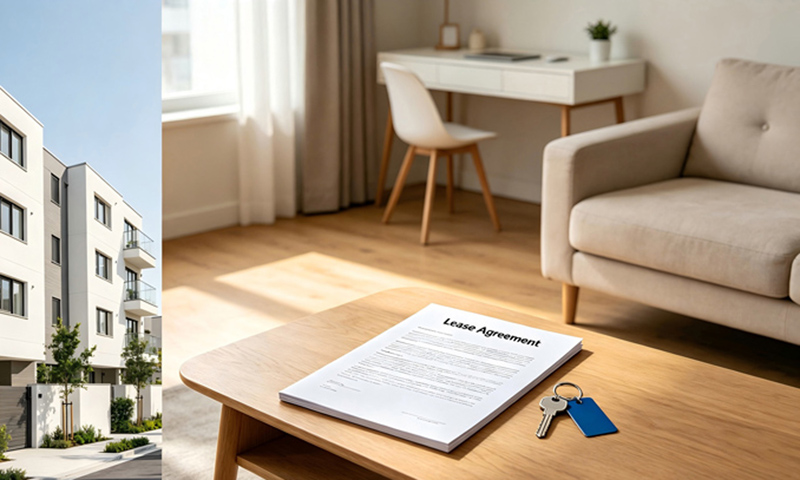
5. Read the Lease Carefully (Don’t Skip the Fine Print)
A lease is a legal contract, so it’s crucial to read every line before signing. Pay attention to lease length, rent increase clauses, deposit refund policies, and maintenance responsibilities. If something is unclear—like who is responsible for repairing a broken appliance—ask for clarification before signing. In 2026, tenants have more rights than ever, so don’t be afraid to negotiate terms that work for you.
What Makes a Successful Apartment Rental Housing Project in 2026?
For developers, property managers, and stakeholders in rental housing projects, 2026 is a year of opportunity—but success requires adapting to the changing market. Here’s what today’s renters are looking for, and how to build a community that thrives:
1. Balance Affordability and Quality
Renters today want value for their money. While affordability is key, cutting corners on quality (e.g., outdated appliances, poor maintenance) will drive tenants away. Successful projects offer well-maintained units with modern finishes, efficient appliances, and essential amenities—all at a price point that’s accessible to your target audience.
2. Prioritize Transparency and Tenant Trust
Trust is the foundation of a successful rental community. Be transparent about pricing, lease terms, and maintenance policies. Avoid hidden fees, and ensure that deposit refund processes are clear and fair. By prioritizing transparency, you’ll build long-term relationships with tenants and reduce turnover.
3. Focus on Community and Lifestyle
As renters increasingly seek a sense of belonging, successful projects go beyond just providing units—they build communities. This could mean hosting monthly events (like community barbecues or yoga classes), partnering with local businesses to offer discounts to tenants, or creating communal spaces where residents can connect. Highlighting the neighborhood’s best features—like nearby parks, cafes, and transit options—also helps tenants feel connected to their surroundings.
4. Embrace Sustainability and Efficiency
Today’s renters—especially younger generations—are environmentally conscious. Incorporating sustainable features into your project (e.g., energy-efficient appliances, LED lighting, recycling programs) not only reduces your carbon footprint but also lowers utility costs for tenants. This is a win-win: tenants save money, and your project stands out as forward-thinking.
PREVIOUS:Specialised Commercial Hospitality Furniture Manufacturer NEXT:Marble Fireplace Mantel Applications Across UK Boutique & Luxury Hotels
RELATED NEWS
CATEGORIES
LATEST NEWS
CONTACT US
Contact: Sales Team
Phone: +86-18750258798
E-mail: sankedesign@163.com
Whatsapp:+86-18750258798
Add: Furniture Manufacturing Park Longgang District Shenzhen City Guangdong Province China
