Residential Custom Furniture
Residential Custom Furniture
Residential Custom Furniture: The Ultimate Guide to Personalized, Functional Home Design in 2026
Are you tired of settling for generic furniture that doesn’t fit your home’s unique layout, style, or lifestyle? You’re not alone. More homeowners in 2026 are turning to residential custom furniture to transform their spaces—combining functionality, aesthetics, and personalization in a way that mass-produced pieces simply can’t match. Whether you’re redesigning your living room, optimizing a small bedroom, or creating a dream home office, custom furniture offers endless possibilities to make your space truly yours.
In this comprehensive guide, we’ll break down everything you need to know about residential custom furniture: why it’s worth the investment, how to choose the right pieces for your home, key trends shaping custom design in 2026, and expert tips to ensure your custom furniture project is a success. Plus, we’ll answer the most common questions homeowners have—so you can make informed decisions and create a space that works for you.
Why Choose Residential Custom Furniture? 5 Benefits That Make It Worth It
When it comes to furnishing your home, custom furniture isn’t just a “luxury”—it’s a practical solution for homeowners who want more control over their space. Here are the top reasons why residential custom furniture is growing in popularity in 2026:
1. Perfect Fit for Any Space (No More “Close Enough”)
One of the biggest frustrations with mass-produced furniture is that it’s designed for “average” spaces. If you have an awkward corner, a narrow hallway, high ceilings, or a small apartment, finding pieces that fit can feel impossible. Residential custom furniture is built to your exact measurements—ensuring every inch of your space is used efficiently. Whether you need a custom bookshelf for a tight nook, a sectional that fits your living room’s unique shape, or a bedroom set that maximizes storage in a small area, custom design eliminates the “one-size-fits-all” struggle.
2. Personalized Style That Reflects Your Taste
Your home should be a reflection of who you are—and generic furniture often fails to capture your unique style. With custom residential furniture, you’re in control of every detail: from the material (wood, fabric, metal, or eco-friendly options) to the color, finish, hardware, and design details. Whether you prefer modern minimalism, rustic charm, industrial edge, or classic elegance, custom furniture can be tailored to match your aesthetic—creating a cohesive, personalized look that mass-produced pieces can’t replicate.
3. Durability and Quality That Lasts
Mass-produced furniture is often made with cheap materials and quick manufacturing processes, meaning it can wear out, break, or look dated within a few years. Residential custom furniture, on the other hand, is crafted by skilled artisans using high-quality materials—resulting in pieces that are built to last. From solid hardwood frames to durable fabrics and precision joinery, custom furniture is an investment that will stand the test of time, saving you money in the long run by avoiding frequent replacements.
4. Functional Design Tailored to Your Lifestyle
Furniture should work for you—not the other way around. Custom residential furniture allows you to prioritize functionality based on how you use your space. Do you work from home and need a custom desk with built-in storage for your equipment? Do you have a large family and need a dining table that can seat 10? Or do you have pets and need stain-resistant, pet-friendly fabric on your couch? Custom design lets you integrate features that fit your daily routine, making your home more efficient and enjoyable.
5. Eco-Friendly Options for Sustainable Living
Sustainability is a top priority for homeowners in 2026—and custom furniture is a more eco-friendly choice than mass-produced pieces. Many custom furniture makers use sustainable materials (like reclaimed wood, organic fabrics, and low-VOC finishes) and prioritize local manufacturing, reducing carbon footprints. Additionally, custom pieces are built to last, reducing waste from furniture that ends up in landfills. If sustainability is important to you, residential custom furniture is a great way to furnish your home responsibly.
2026 Residential Custom Furniture Trends: What’s Popular This Year
Custom furniture trends in 2026 are all about balancing style, functionality, and sustainability. Here are the top trends to watch for when designing your custom pieces:
1. Multi-Functional Custom Pieces for Small Spaces
With more people living in apartments and small homes, multi-functional custom furniture is a top trend. Think custom sleeper sofas that double as home offices, storage ottomans with hidden compartments, and wall-mounted desks that fold up when not in use. These pieces maximize space without sacrificing style, making them perfect for urban dwellers and small-space homeowners.
2. Natural Materials and Earthy Tones
Earthy, natural aesthetics are dominating 2026 home design—and custom furniture is no exception. Homeowners are choosing natural materials like oak, walnut, and reclaimed wood for their custom pieces, paired with neutral tones (beige, taupe, sage, and terracotta) and soft textures. This trend creates a warm, inviting atmosphere while keeping spaces timeless and versatile.
3. Minimalist Custom Design with Hidden Storage
Minimalism is still going strong, but homeowners want minimalism without sacrificing storage. Custom furniture designers are creating sleek, minimalist pieces with hidden storage: think custom wardrobes with built-in drawers, coffee tables with under-seat storage, and bookshelves with hidden compartments. These pieces keep spaces clutter-free while maintaining a clean, modern look.
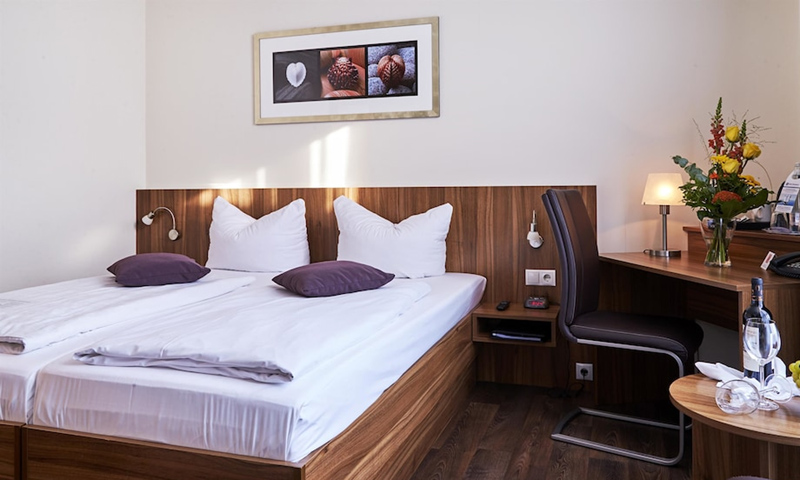
4. Bold Accent Pieces for Statement Style
While neutral tones are popular, many homeowners are adding bold, custom accent pieces to their spaces. Think a custom velvet sofa in a rich emerald green, a hand-carved wooden dining table with a unique finish, or a custom bookshelf with colorful hardware. These statement pieces add personality and visual interest to a room, without overwhelming the space.
5. Smart Custom Furniture for Modern Living
Smart home technology is integrated into every aspect of home design—including custom furniture. 2026 trends include custom desks with built-in wireless charging, custom beds with adjustable frames and smart lighting, and custom cabinets with motion-sensor lights. These pieces combine functionality with modern technology, making daily life easier and more convenient.
How to Choose the Right Residential Custom Furniture: A Step-by-Step Guide
Designing custom furniture can feel overwhelming—but with the right approach, it’s a fun and rewarding process. Follow these steps to ensure you get the perfect custom pieces for your home:
1. Define Your Goals and Budget
Before you start designing, ask yourself: What do you need the furniture to do? Do you need more storage? A piece that fits a specific space? A statement piece to elevate your room? Then, set a realistic budget. Custom furniture varies in price, so knowing your budget upfront will help you prioritize features and materials. Remember: custom furniture is an investment, so it’s worth allocating funds for quality materials and craftsmanship.
2. Measure Your Space (Twice!)
Accurate measurements are crucial for custom furniture—one mistake can result in a piece that doesn’t fit. Measure the space where the furniture will go, including width, height, and depth. Don’t forget to account for doorways, windows, and other obstacles (like radiators or outlets) that could affect the piece’s placement. Write down your measurements and share them with your custom furniture designer to avoid errors.
3. Choose Your Materials and Finishes
The materials you choose will impact the look, durability, and cost of your custom furniture. For wood pieces, options include oak, walnut, maple, reclaimed wood, and more. For upholstered pieces, consider fabrics like linen, velvet, leather, or pet-friendly, stain-resistant options. Choose finishes (like paint, stain, or wax) that complement your home’s existing decor. Your designer can help you select materials that fit your style, budget, and lifestyle.
4. Find a Reputable Custom Furniture Designer
The key to a successful custom furniture project is working with a skilled, reputable designer. Look for designers who specialize in residential custom furniture, have a portfolio of work you love, and have positive reviews from past clients. Ask for references, and schedule a consultation to discuss your vision. A good designer will listen to your needs, offer suggestions, and guide you through the design process—ensuring the final piece meets your expectations.
5. Review the Design and Approve the Mockup
Once you’ve shared your goals, measurements, and material preferences, your designer will create a mockup or 3D rendering of the piece. Review this carefully—check the dimensions, design details, and materials to ensure it’s exactly what you want. Don’t be afraid to ask for revisions; a good designer will work with you to adjust the design until it’s perfect. Once you approve the mockup, the designer will begin crafting your custom piece.
PREVIOUS:Hospitality FFE Furniture NEXT:Fireplace Ideas for a Cozy and Refined Space
RELATED NEWS
- Fireplace Ideas for a Cozy and Refined Space 2025-07-09
CATEGORIES
LATEST NEWS
CONTACT US
Contact: Sales Team
Phone: +86-18750258798
E-mail: sankedesign@163.com
Whatsapp:+86-18750258798
Add: Furniture Manufacturing Park Longgang District Shenzhen City Guangdong Province China
