Hotel Furniture Solutions
Hotel Furniture Solutions Elevate Guest Experience and Operational Efficiency
Hotel Furniture Solutions: Elevate Guest Experience & Operational Efficiency
When it comes to running a successful hotel, every detail matters—from the warmth of the welcome desk to the comfort of the guest room bed. Furniture, often overlooked as a mere functional element, is actually a cornerstone of both guest satisfaction and operational efficiency. The right hotel furniture solutions don’t just fill space; they tell your hotel’s story, enhance comfort, reduce maintenance costs, and align with your brand identity. Whether you’re renovating an existing property, launching a new boutique hotel, or upgrading a chain, choosing the right furniture strategy is critical to standing out in a competitive market.
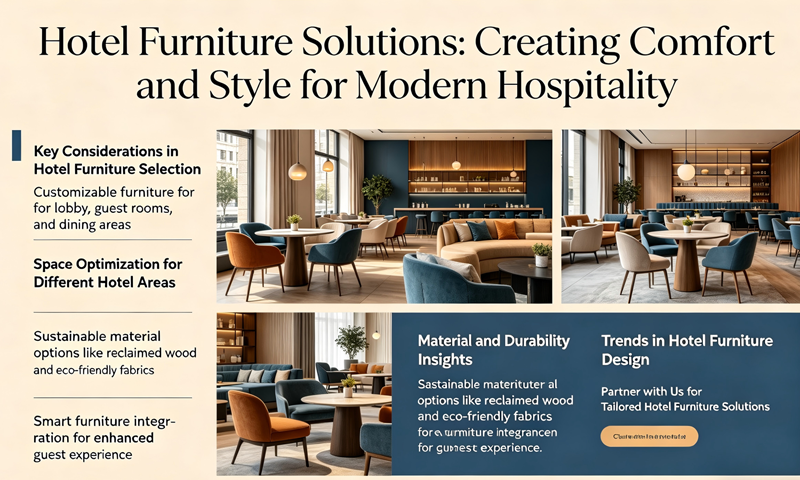
The Unique Challenges of Hotel Furniture: Why One-Size-Fits-All Doesn’t Work
Hotels face distinct furniture needs that set them apart from residential or commercial spaces. Unlike homes, hotel furniture is subjected to constant use—sometimes by hundreds of guests per month. It must withstand wear and tear, be easy to clean, and maintain its aesthetic appeal over time. Additionally, hotels cater to diverse guest segments: a luxury resort requires opulent, high-end pieces, while a budget hotel needs durable, cost-effective options. A business hotel prioritizes functionality and workspace, while a boutique property leans into unique, design-forward pieces that reflect its brand personality.
Common pain points hotels face with furniture include: frequent replacement due to damage, difficulty cleaning fabrics or surfaces, misalignment with brand identity, and furniture that doesn’t maximize space efficiency. These challenges not only increase operational costs but also detract from the guest experience—something no hotel can afford in an era where online reviews make or break reputation.
Core Principles of Effective Hotel Furniture Solutions
To address these challenges, successful hotel furniture solutions are built on three core principles: durability, functionality, and brand alignment. Let’s break down each:
1. Durability: Invest in Long-Lasting Pieces
Hotel furniture is a long-term investment, so durability should be non-negotiable. Look for materials that can withstand heavy use: solid wood or high-quality engineered wood for frames, stain-resistant fabrics (such as performance velvet or microfiber) for upholstery, and scratch-resistant surfaces (like quartz or laminate) for desks and nightstands. For high-traffic areas like lobbies and dining rooms, consider commercial-grade furniture with reinforced frames and wear-resistant finishes. While durable pieces may have a higher upfront cost, they reduce replacement frequency and long-term maintenance expenses—saving you money in the long run.
2. Functionality: Design for Guest Comfort & Staff Efficiency
Guests stay at hotels to relax, work, or travel—and furniture should support those needs. In guest rooms, this means comfortable beds with supportive mattresses, ergonomic chairs for workspaces, and ample storage (wardrobes, drawers, and nightstands) to keep rooms clutter-free. For lobbies, consider flexible seating arrangements that accommodate both solo travelers and groups, with side tables for drinks or laptops. Staff efficiency is also key: furniture should be easy to move (for event setups), easy to clean (with removable cushions or wipeable surfaces), and designed to minimize maintenance time.
3. Brand Alignment: Furniture as a Brand Storyteller
Your hotel’s furniture is an extension of your brand. A luxury hotel might opt for hand-carved wooden pieces, plush velvet sofas, and crystal accents to convey elegance. A boutique hotel could use bold colors, unique shapes, and local materials to reflect its personality. A budget hotel, meanwhile, might focus on clean lines, neutral tones, and practicality to communicate value. Every piece—from the lobby chandelier to the guest room chair—should reinforce your brand’s message and create a cohesive experience for guests.
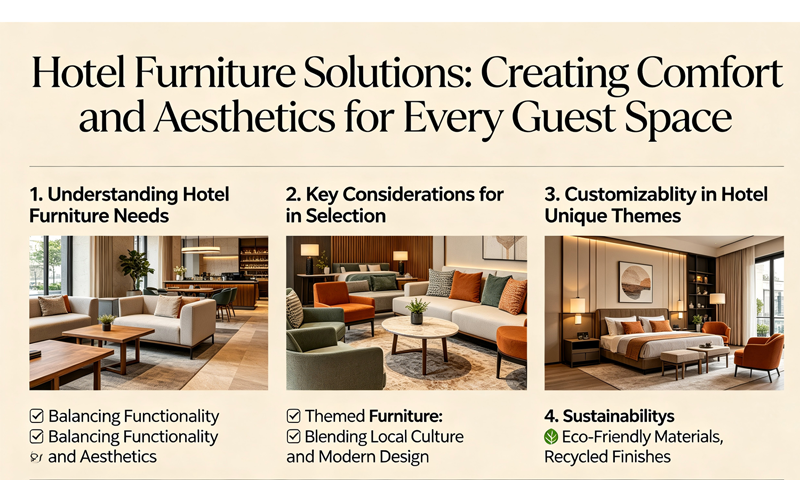
Tailored Furniture Solutions for Key Hotel Areas
Different areas of a hotel have unique furniture needs. Below are tailored solutions for the most critical spaces:
Guest Rooms: The Heart of the Guest Experience
The guest room is where guests spend most of their time, so comfort and functionality are paramount. Key furniture pieces here include:
Beds: Invest in high-quality mattresses (memory foam or hybrid) and sturdy bed frames. Opt for headboards that add style while being easy to clean—upholstered headboards with stain-resistant fabric work well for mid-range and luxury hotels, while wooden headboards are ideal for budget or boutique properties.
Workspaces: Every guest room needs a desk and an ergonomic chair, especially for business travelers. Choose desks with ample surface space for laptops and paperwork, and chairs with lumbar support to keep guests comfortable during long work sessions.
Storage: Wardrobes with hangers, drawers for clothing, and nightstands with USB ports (for charging devices) are essential. Built-in storage can maximize space in smaller rooms, while standalone pieces add flexibility for renovations.
Lobby & Reception Area: First Impressions Matter
The lobby is the first space guests see, so it needs to make a strong impression while being functional. Furniture solutions here should balance style and comfort:
Reception Desk: The reception desk is the focal point of the lobby. It should be spacious enough for staff to work efficiently, with a design that aligns with your brand—sleek and modern for contemporary hotels, classic and elegant for luxury properties.
Seating: Provide a mix of seating options: sofas and armchairs for relaxation, small tables for groups, and individual chairs for solo travelers. Choose fabrics that are stain-resistant and easy to clean, and arrange seating to encourage socializing while maintaining privacy.
Accent Pieces: Coffee tables, console tables, and decorative items (like plants or artwork) add warmth and style to the lobby. These pieces should complement the overall design and reinforce your brand identity.
Dining Areas: Comfort & Ambiance for Meals
Whether it’s a hotel restaurant, breakfast buffet, or room service, dining areas require furniture that balances comfort, functionality, and ambiance:
Tables & Chairs: For restaurants, choose tables that are sturdy and easy to clean—laminate or quartz surfaces work well. Chairs should be comfortable enough for long meals, with upholstery that resists stains and spills. For buffets, consider portable tables that can be adjusted for different events.
Bar Area: If your hotel has a bar, opt for bar stools that are ergonomic and stylish, with a height that fits the bar counter. Add small tables near the bar for guests to set down drinks.
Conference & Event Spaces: Flexibility for Every Occasion
Conference and event spaces need furniture that is flexible and easy to rearrange for different events—meetings, weddings, conferences, and more. Key solutions include:
Tables & Chairs: Choose lightweight, durable folding tables and chairs that can be stored easily when not in use. Look for chairs that are stackable to save space.
Podiums & Presentation Equipment: A sturdy podium with built-in storage for microphones and presentation materials is essential for meetings. Add comfortable seating for attendees, such as ergonomic conference chairs.
The Benefits of Custom Hotel Furniture Solutions
While pre-made furniture may seem like a cost-effective option, custom hotel furniture solutions offer unique benefits that make them worth the investment:
Perfect Fit: Custom furniture is designed to fit your hotel’s specific space, whether you have irregularly shaped rooms or unique design requirements. This maximizes space efficiency and ensures a cohesive look.
Brand Differentiation: Custom pieces allow you to create a unique look that sets your hotel apart from competitors. You can incorporate brand colors, logos, or local elements into the design to make your hotel memorable.
Durability & Quality: When you work with a custom furniture provider, you can choose high-quality materials that meet your hotel’s specific durability needs. This ensures your furniture lasts longer and requires less maintenance.
Flexibility: Custom furniture can be designed to adapt to changing needs—for example, modular pieces that can be rearranged for different events or guest preferences.
How to Choose the Right Hotel Furniture Provider
Selecting the right provider is key to getting the best hotel furniture solutions. Here are some factors to consider:
Experience in the Hotel Industry: Look for a provider with a proven track record of working with hotels. They will understand your unique needs and challenges and can offer tailored solutions.
Quality of Materials & Craftsmanship: Ask about the materials used and the manufacturing process. A reputable provider will use high-quality materials and employ skilled craftsmen to ensure durability and aesthetics.
Customization Capabilities: Ensure the provider can create custom pieces that align with your brand and space. Ask to see their portfolio of past hotel projects to get an idea of their design style.
Timeline & Delivery: Hotels often have tight renovation timelines, so choose a provider that can deliver furniture on time. Ask about their lead times and delivery process to avoid delays.
After-Sales Support: Look for a provider that offers after-sales support, such as maintenance services or replacement parts. This ensures you can keep your furniture in top condition for years to come.
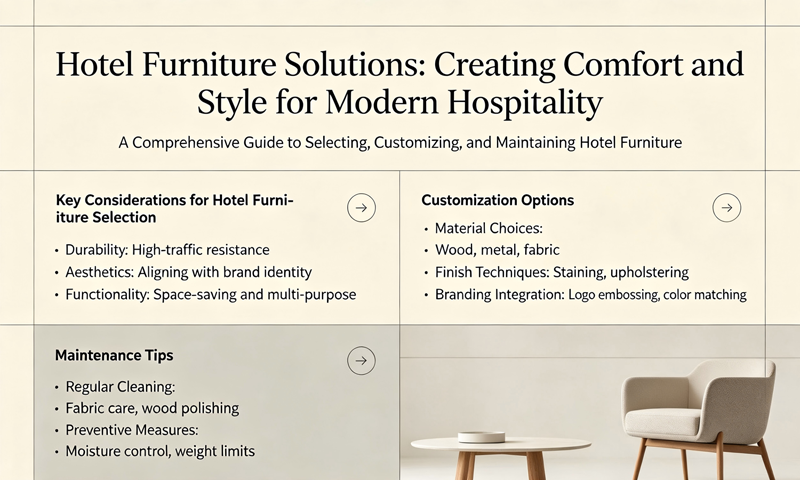
Case Study: How a Boutique Hotel Transformed Its Guest Experience with Custom Furniture
A boutique hotel in a historic downtown area wanted to refresh its guest rooms and lobby to reflect the city’s rich heritage while offering modern comfort. The hotel partnered with a custom furniture provider to create tailored solutions:
Guest rooms featured custom wooden beds with hand-carved details inspired by the city’s architecture, paired with stain-resistant velvet chairs in the hotel’s brand color.
The lobby included a custom reception desk made from reclaimed wood, along with plush sofas and armchairs upholstered in neutral tones, accented with local artwork.
Dining areas featured custom tables made from local hardwood, with chairs that combined comfort and style.
The result? A 25% increase in positive guest reviews, with many guests praising the unique, comfortable furniture. The hotel also saw a reduction in furniture replacement costs, as the custom pieces were built to withstand heavy use.
Final Thoughts: Invest in Furniture That Works for You
Hotel furniture solutions are more than just about filling space—they’re about creating an experience that keeps guests coming back. By prioritizing durability, functionality, and brand alignment, and working with the right provider, you can elevate your hotel’s aesthetic, reduce operational costs, and deliver a memorable guest experience. Whether you’re renovating or starting fresh, custom furniture solutions offer the flexibility and quality you need to stand out in the competitive hotel industry.
Ready to transform your hotel with tailored furniture solutions? Start by assessing your space, defining your brand goals, and partnering with a provider that understands your unique needs. Your guests—and your bottom line—will thank you.
RELATED NEWS
CATEGORIES
LATEST NEWS
CONTACT US
Contact: Sales Team
Phone: +86-18750258798
E-mail: sankedesign@163.com
Whatsapp:+86-18750258798
Add: Furniture Manufacturing Park Longgang District Shenzhen City Guangdong Province China
